World of Warcraft: Forever Beta Players Are Already Bending the New Naming System
MMO News·September 29, 2026
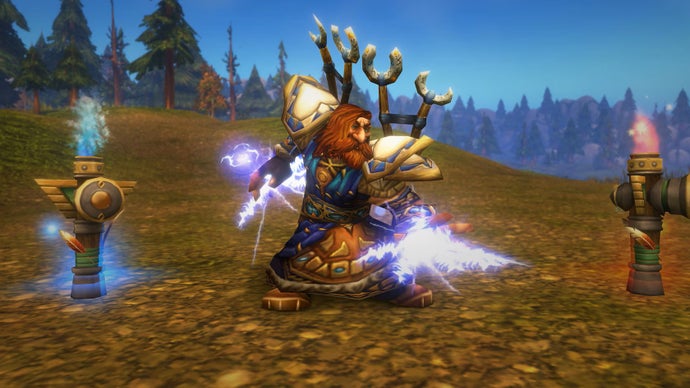
The World of Warcraft: Forever beta is proving to be a hit, with what has been described as "crazy" numbers of players logging in to try this new spin on the long-running MMO. Where there are crowds, there is mischief, and the community has wasted no time finding out what the game's revamped naming system will let them get away with.
Forever introduces a new approach to how characters are named, and the change has opened the door for creative players to push the boundaries. Rather than sticking to fantasy-flavored handles, a wave of testers have been coming up with cheeky, suggestive and otherwise naughty names, and sharing the results across social channels.
It is a familiar pattern for anyone who has spent time in online games. Every new naming tool or filter becomes a puzzle for the community to solve, and the first days of a beta are prime time for stress testing. Players see it as a game within the game, hunting for clever spellings, wordplay and loopholes that slip past moderation while still getting the joke across.
For the developers, the early rush is a double-edged sword. The turnout is a strong signal of interest in Forever, and the sheer volume of players gives the team plenty of data on how the systems hold up under real conditions. At the same time, a naming system that is easy to exploit puts pressure on moderation tools and reporting flows, which will need to keep pace as the beta grows.
It remains to be seen whether the naming rules will be tightened before launch or left as they are, with enforcement handled after the fact. Either way, the beta is doing what betas are meant to do, revealing where the rough edges are before the wider release. Expect the community to keep testing those edges in the meantime, and expect the best (and worst) names to keep circulating online.
Reporting based on an external source.