 GameRift
Miyamoto Says Human Designers Will Keep a Place Even if AI Takes Over Production
AI·October 24, 2026
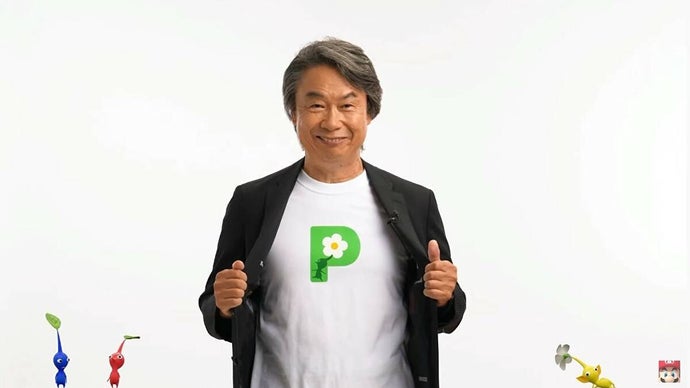
Shigeru Miyamoto has never been shy about sharing his views on where games are headed, and his latest comments on generative AI are likely to get the attention of developers who worry the technology could make their jobs obsolete. The Nintendo veteran, whose work includes Super Mario 64 and The Legend of Zelda: Ocarina of Time, argues that even if AI someday takes over most production tasks, people will still be needed in the design chair.
His point is less a defense of the status quo than a claim about what design actually is. In Miyamoto's framing, the value of a game comes from decisions about what is fun, what a player should feel, and how a world should respond to them. Those decisions require someone who can judge the result. Tools can generate assets, variations, and even code, but he suggests that "even if it were to eventually handle everything, there will always be a role left" for a human to decide which of those outputs are worth keeping.
That view puts him in a familiar but still contested debate across the industry. Studios have been experimenting with generative tools for concept art, dialogue drafts, and testing, while many developers have raised concerns about job security and about the sameness that can creep in when models are trained on existing work. Miyamoto's comments suggest that, at least at the top of a creative team, the designer's job is about taste and direction rather than sheer output.
It is also worth noting what he is not saying. He is not predicting that AI will leave the industry untouched, and he is not dismissing the technology outright. The implication is that the work will change shape, with more of the labor moving toward curation, direction, and iteration, while responsibility for a game's identity stays with people.
How much that holds up will depend on how studios restructure their teams in the coming years. For now, Miyamoto's remarks offer a useful counterweight to the most dramatic predictions about automated game development, coming from a designer who has spent decades shaping how players experience games.
Reporting based on an external source.