 GameRift
Consoles Face Their Shakiest US Market Since the 1980s Crash
Hardware·October 10, 2026
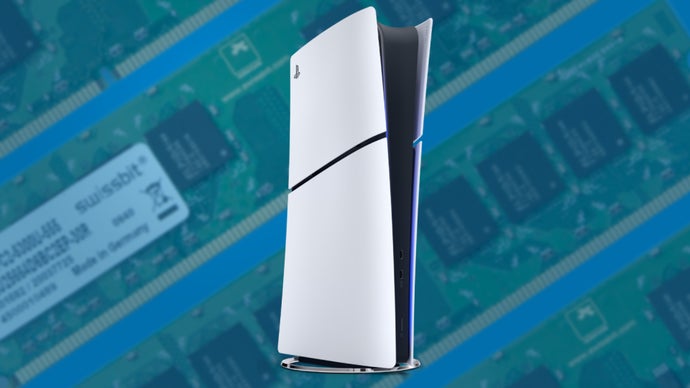
Sales of Sony's PlayStation 5 and Microsoft's Xbox Series X/S are slowing, and the people tracking the numbers are getting worried. Analyst Mat Piscatella says the US hardware market "has not been in a more precarious position since the early 80s," a comparison that should make anyone in the industry uneasy. The early 1980s were when the home video game business fell apart, and the market took years to recover.
The main pressure point is cost. Both current-generation consoles now sell for more than they ever have in most markets, and the reason has little to do with the consoles themselves. The memory chips inside them are in short supply because manufacturers are directing huge volumes of production toward the high-bandwidth memory used in AI data centres. When the parts that go into a console get more expensive, the console gets more expensive too, and the price tag is hard to hide from shoppers.
That puts platform holders in a difficult spot. Price increases can squeeze buyers who were already on the fence, especially families and casual players who are not in the habit of replacing hardware every few years. Sony and Microsoft have spent the last few years leaning on their subscription services and digital storefronts, but those businesses depend on a large installed base, and a shrinking base of new buyers makes that harder to sustain over time.
Piscatella's warning is not a prediction of collapse. Consoles remain popular, and the industry has weathered downturns before. But the comparison to the early 1980s is deliberate. That crash was driven by a flood of low-quality software, too many competing machines, and consumers who lost faith in the format. Today's problems come from a different source, a component shortage tied to an unrelated boom, but the effect on the shopper's wallet can be just as direct.
For now, the bigger question is how long the memory squeeze lasts. If component costs ease, consoles may get cheaper again and sales could recover. If they stay high, publishers and platform owners will have to decide whether to keep raising prices, cut hardware margins, or lean harder on the software and services that keep players engaged after the box is already on the shelf.
Reporting based on an external source.